
Key takeaways
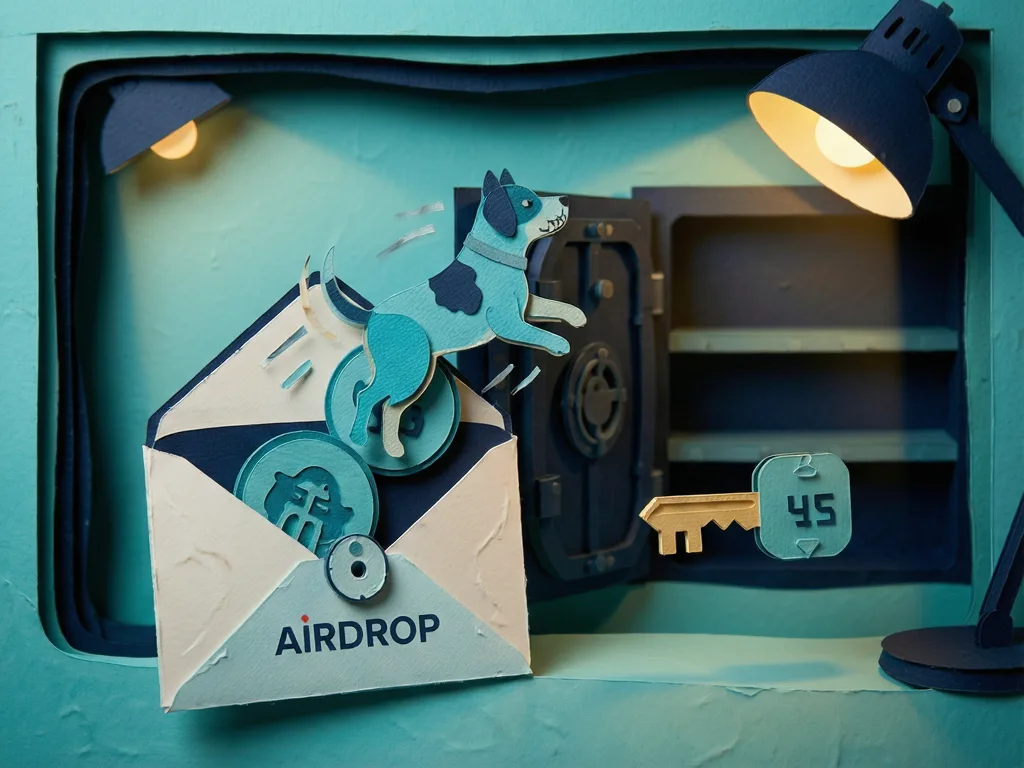
- The SHIB Army, the collective term for Shiba Inu holders, supporters, traders, and enthusiasts, is facing a new scam centered on a fake airdrop.
- Community warnings from Marzael.shib and BSCN point to malicious approvals as the main technical danger, not password theft alone.
- SHIB’s price fell nearly 12% over the past week to around $0.000005163, a decline attributed mainly to broader market weakness rather than the scam report.
- On October 13, exchange-held SHIB fell to roughly 87.2 trillion, near a one-month low, according to CryptoPotato, citing CryptoQuant data.
What happened
An X account falsely claimed that a Shiba Inu airdrop was “back” and told users they were eligible after completing a supposed wallet verification check. The account also provided a link that was flagged as a scam. Marzael.shib, a long-time Shiba Inu community member, warned that no such token distribution exists and called the scheme “a drainer.” The account also said the scammers were “flooding the timeline” and recommended that users avoid clicking the link and report it.
The X account BSCN added that the real danger appears when users connect their wallets and sign malicious approvals. In its warning, BSCN said those permissions can allow scammers to transfer tokens without stealing a victim’s password. The risk is therefore not only clicking a fake website, but granting an attacker a standing ability to move assets from the connected wallet.
Market context
SHIB’s price plunged by nearly 12% over the past week. As of CryptoPotato’s report, the token traded around $0.000005163, per CoinGecko, and remained 95% below its late-2021 all-time high. The source said the main reason for the decline appeared to be the broader cryptocurrency market drop during the same period, rather than panic triggered by the scam warning.
On October 13, Shiba Inu coins stored on crypto exchanges fell to a near one-month low of roughly 87.2 trillion, according to SHIB Exchange Netflow data cited by CryptoPotato and CryptoQuant. CryptoPotato noted that this can be interpreted as a bullish signal because it reduces immediate selling pressure. Analysts have been relatively silent on SHIB lately, while technical indicators may help traders identify the next potential move, though they do not provide certainty.
Why it matters
The episode shows why large, devoted meme-coin communities are repeatedly targeted. The SHIB Army includes holders, supporters, traders, and enthusiasts, and that breadth makes social-media lures easier to spread. Earlier this year, Shibarium Trustwatch, an X account dedicated to warning Shiba Inu users about threats, flagged numerous fraud attempts involving the SOU NFT. Its team said users will never receive the non-fungible token in question and that eligible users can claim it only through Shiba Inu’s official website.
That warning also outlined practical safeguards: do not click shared, shortened, or copied links; fake websites can look identical to legitimate ones; users should type the official address directly into a browser and verify the correct domain before connecting a wallet. Private keys and seed phrases should never be shared with anyone under any circumstances. Prior to the SOU NFT alerts, Shibarium Trustwatch warned that bad actors had created a malicious website impersonating Shiba Inu’s official platform. The fake site included “special” promotions and false claims of collaborations and presale bonuses, designed to lure users into connecting their wallets.
What to watch
For readers, the immediate issue is whether similar drainer campaigns continue to exploit Shiba Inu-related airdrop language, NFT claims, or fake website impersonation. Community warnings around BSCN, Marzael.shib, and Shibarium Trustwatch suggest that approval signing remains the critical failure point, because a malicious permission can move tokens even without a password breach. The exchange-balance data may point to lower short-term selling pressure, but market context, broader cryptocurrency weakness, and the possibility of new scams mean the outcome remains uncertain.
Comments 0