
Ledger unveils $849 signer after $86 million implant attack
Key takeaways
- Ledger introduced Atom, an $849 Android-based device built to sign crypto transactions alongside a user’s phone, at its Op3n event in Paris.
- The device combines everyday Android apps with a secure element running Ledger OS and is marketed as quantum ready.
- Its launch follows a suspected $86 million drain linked to CryptoBilis, an authorized Ledger reseller in Indonesia, Malaysia and the Philippines.
- Ledger said it found no flaw in its chip, operating system or servers, describing the incident as a localized distribution attack.
What happened
On Thursday at the Op3n event in Paris, Ledger presented Atom, a $849 Android-based device built to sign crypto transactions alongside a user’s phone. The company said it is not a conventional phone because its mobile connection carries data only, with no cellular calls, text messages or emergency calls, while the Android side runs everyday applications. A separate secure element chip runs Ledger OS, which takes over the screen whenever the user approves a payment or transaction.
Atom ships with Solana Mobile’s Seeker app preinstalled, opening access to the Solana dApp Store. Ledger also linked the device to its broader positioning around digital asset custody and AI tools, saying in an October 15, 2026 post that users approve what agents propose while the Ledger signer enforces the decision.
Reservations for a Founders Edition are available with a fully refundable $100 deposit. The reserve price rises to $899 after launch, according to The Verge, and Ledger’s shop page lists the Founders Edition as shipping in summer 2027.
Market context
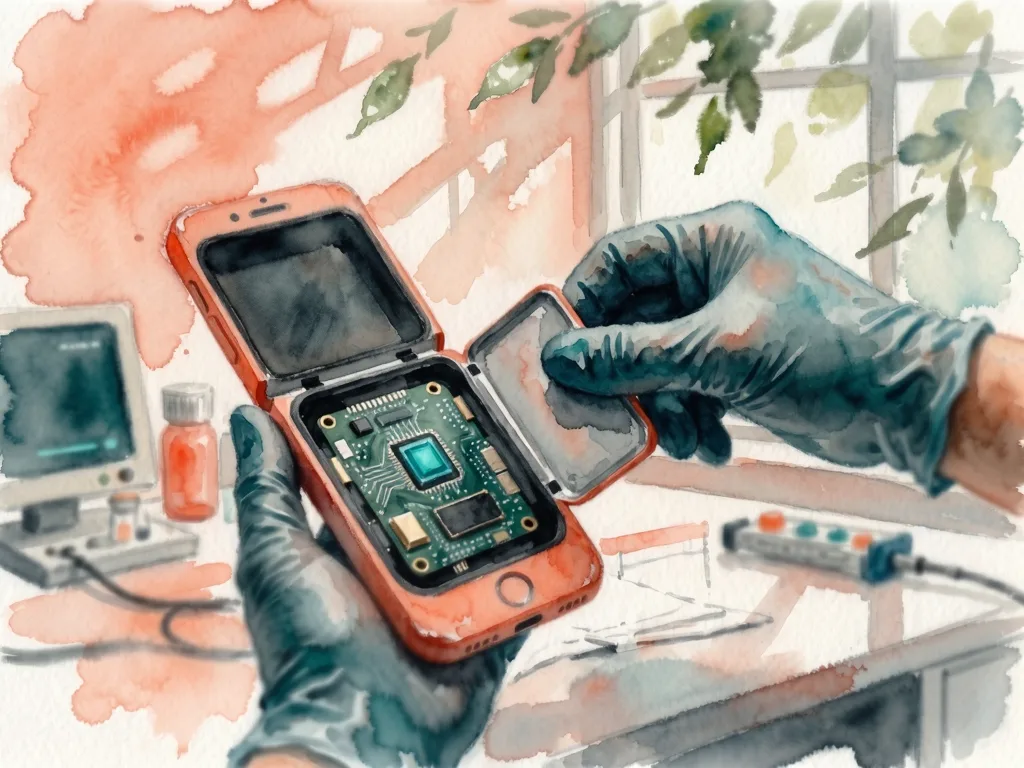
The announcement came days after Ledger began investigating a suspected $86 million drain tied to CryptoBilis, an authorized reseller in Southeast Asia. On October 10, Ledger confirmed an unauthorized hardware implant inside one affected user’s device. Ahead of Thursday’s event, it published its account of the attack, saying a criminal group spent months buying genuine devices and fitting them with hidden parts that capture the recovery phrase during setup.
The group then put the modified devices back on sale through resellers in Southeast Asia. Ledger said its teams found every device they examined clean, including units bought and opened at stores in Germany. The company also stated that the incident was not a systemic supply chain attack, but a localized distribution attack.
Ledger has since asked authorized resellers in Southeast Asia and Hong Kong to suspend sales, and German retailer MediaMarkt also paused sales, The Verge reported. New reseller rules, effective Thursday, require partners to keep Ledger products off shelves and displays and hand over stock from the back at the point of purchase. Ledger also reminded them that a returned device can never be resold, even if it looks unopened.
Why it matters
Atom’s introduction shows how Ledger is trying to separate device usability from signing security. The product is positioned as a daily Android device for apps and transaction approval, while the secure element and Ledger OS handle the sensitive part of signing. The company said Atom’s design would have blocked the screen-reading implants used in the reported attack. That design wraps the secure element and controller chips in an enclosure that detects attempts to drill into or open it. The device also detects removal of its display or back cover, and each back cover is paired to one device.
For the market, the episode highlights a risk that sits outside the components Ledger says it checked: physical tampering within authorized distribution channels. Ledger said it found no flaw in its chip, operating system or servers, which shifts attention to resale handling, store displays, returns and the chain of custody for genuine hardware. It also said it is working on product-level measures against this kind of attack.
What to watch
The next questions are whether Atom’s shipping timeline, currently listed for summer 2027, changes under new resale rules, and whether the product-level protections described by Ledger reduce opportunities for tampering in stores. Readers should also watch how resellers in Southeast Asia and Hong Kong implement the off-shelf and back-of-store handover requirements, and whether further details emerge on the suspected $86 million drain and the devices tied to CryptoBilis.
Comments 0