Mazrael flags fake Shiba Inu airdrop drainer on October 12, 2026
Key takeaways
Mazrael, a long-time Shiba Inu community member and Shiba Eternity advisor, publicly flagged a fake Shiba Inu airdrop alert on October 12, 2026 and described the campaign as a wallet drainer.
An X account, described in the report as obviously fraudulent, said that the Shiba Inu airdrop hype was back, claimed eligibility after checking a wallet, and shared a link to a fraudulent website.
The warning emphasizes that the danger is not only misinformation about an airdrop, but the request to connect a wallet, approve a transaction, or grant token permission, which could give an attacker the ability to move assets from the connected wallet.
What happened
The alert was posted by Mazrael.shib (@Mazrael_shib), the X account associated with Mazrael, on October 12, 2026. In the post, he wrote, “care. no such airdrop. this is a drainer. they are flooding time line recommend not click and report.” He added that several scam posts of this kind were flooding timelines and urged users to report the accounts or posts responsible.
The fake campaign cited in the alert followed a familiar pattern: a social media account claimed that the Shiba Inu airdrop hype had returned and that the account holder was eligible after checking their wallet. The post then directed readers to a fraudulent website. The official Shiba Inu website remains Shib.io, which makes the shared link a point of scrutiny for users comparing it with the project’s official channel.
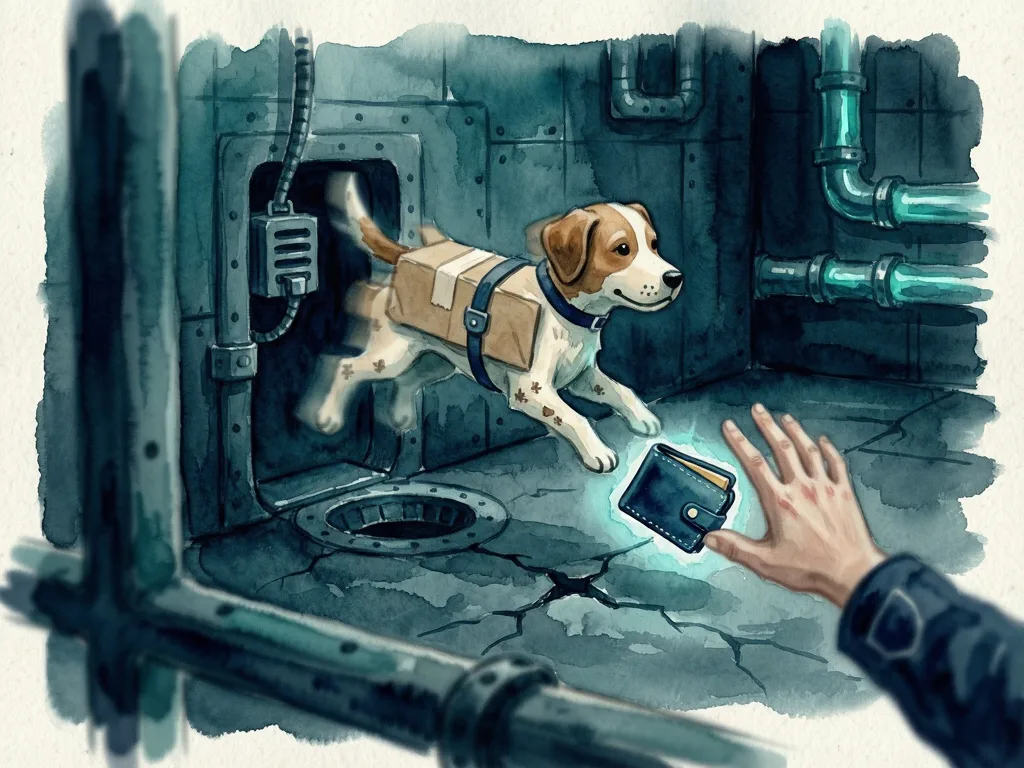
A fraudulent airdrop page may request a wallet connection or ask users to approve a transaction or token permission. Depending on what the victim signs or authorizes, attackers could gain the ability to transfer assets from the connected wallet. In this case, the reported mechanism was not a simple fake giveaway, but a wallet drainer.
Market context
Crypto drainers are a type of malicious software or phishing tool designed to steal digital assets directly from cryptocurrency wallets. Unlike traditional phishing, which often targets usernames and passwords, crypto drainers focus on the smart contract permissions and transaction approvals that govern wallets. They can also operate through malicious browser extensions or compromised decentralized applications.
The tactics described by Mazrael fit this pattern. Scammers create fake websites that mimic legitimate platforms. In the instance flagged here, the shared web address was described as a fake Shiba Inu link. The user is then prompted to connect a crypto wallet to the site. Once connected, the site may show a transaction pop-up that is actually an approval request or a malicious signature. By signing it, the user unknowingly grants the drainer smart contract permission to spend or transfer tokens.
Why it matters
For Shiba Inu holders, the warning is relevant because the campaign specifically used the Shiba Inu brand and an airdrop narrative to attract attention. Airdrop language can lower suspicion because users may expect promotional token distributions and may feel urgency to verify whether a wallet is eligible. The X account’s claim of eligibility after checking a wallet mirrors the kind of social proof that can make a fraudulent link appear credible.
The risk is concentrated in the approval step. A user does not need to expose a password for a wallet drainer to work. If a malicious page can obtain a signed transaction approval or token permission, the attacker may be able to move assets from the connected wallet. That makes the distinction between a promotional message and a signing request central to assessing whether a link is safe.
The alert also highlights the role of community trust in crypto ecosystems. Mazrael is identified as a long-time Shiba Inu community member and Shiba Eternity advisor, and the warning is directed at the Shiba Inu community. The post explicitly states that there is no such airdrop and labels the campaign a drainer, rather than leaving users to evaluate the claim on their own.
What to watch
Users should treat claims of a returned Shiba Inu airdrop hype with caution, especially when paired with a link and a statement that a wallet has been checked for eligibility. The report specifically says there is no such airdrop and recommends not clicking and reporting the posts.
The official website Shib.io is the main identifier mentioned in the alert for distinguishing the real project from the fake link. The warning also points to official project channels as the reference point before interacting with links shared on social media or Discord, even if the posts appear to come from accounts that look verified.
The practical signals to watch are the same signals that define a drainer: a wallet connection prompt, a transaction pop-up, an approval request, or a signature request that grants a smart contract permission to spend or transfer tokens. In the reported case, those interactions are the mechanism behind the fake Shiba Inu alert, not the airdrop itself.
Comments 0