
Ledger confirms implant as $80 million crypto theft reports widen
Key takeaways
- Ledger confirmed over the weekend that at least one wallet tied to the ongoing CryptoBilis investigation contained an unauthorized hardware implant.
- The company behind devices such as Nano X said it has no indication that its own security infrastructure, systems, or services were compromised.
- Reports first pointed to a potential theft of over $80 million in crypto, while initial investigations claimed suspected losses exceed $86 million.
- CryptoBilis responded to Ledger’s plea to stop sales of all hardware-wallet inventory, not merely Ledger products, until the investigation is concluded.
- A community report on X said a suspicious Ledger device bought from MediaMarkt in Europe may also have been compromised.
What happened
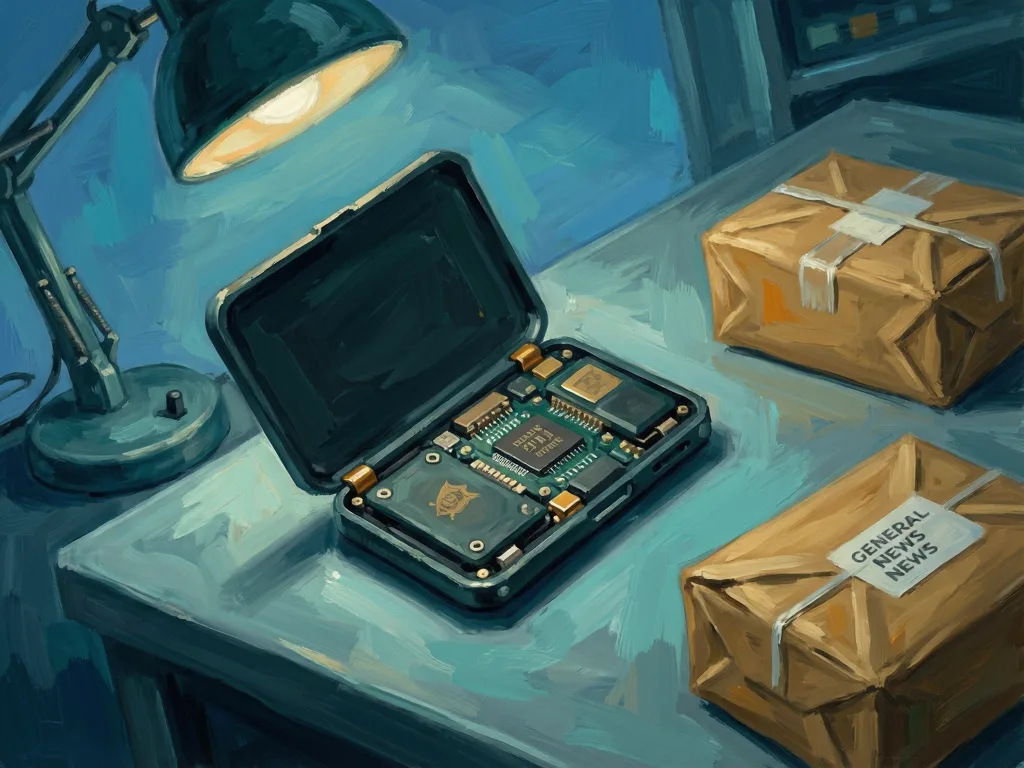
Ledger’s latest update, published Saturday evening, moved the story from unverified loss claims to physical-device evidence. The hardware wallet manufacturer said it examined one device belonging to an impacted user and found an “unauthorized hardware implant” inside. The update did not say how many devices may contain implants. It said the team contacted affected users and started working with authorities.
CryptoBilis has also responded to Ledger’s plea to stop sales of all hardware-wallet inventory, not merely Ledger products, until the investigation is concluded. The company behind devices such as Nano X said it has no indication that its own security infrastructure, systems, or services were compromised. It has also yet to determine how many affected devices contain implants or confirm that the discovered implant is responsible for all reported wallet drains.
The initial report published yesterday stated that customers who bought through CryptoBilis in Indonesia, Malaysia, and the Philippines were impacted. Initial investigations claimed the suspected losses exceed $86 million, while reports had emerged of a potential theft of over $80 million in crypto from Ledger devices. A new report from Bitquery was also referenced, while Ledger has not confirmed final totals.
Market context
Hardware wallets are meant to reduce online exposure by keeping private keys away from internet-connected computers. That design assumes the device arrives intact and is initialized in a trusted way. The Ledger case highlights a different failure mode: supply-chain tampering. If an implant can be added to a device before it reaches the user, the usual software-security narrative becomes insufficient.
The geographic pattern matters because it widens the uncertainty. The first affected markets named in the report were Indonesia, Malaysia, and the Philippines. A separate community report on X said a suspicious Ledger device bought from MediaMarkt in Europe may also have been compromised. That report remains unconfirmed by Ledger and does not yet show a single source of the implant.
CryptoBilis’s response to the sales pause request is also relevant. The response suggests the issue may not be limited to Ledger-branded hardware. The instruction to stop sales of all hardware-wallet inventory, not merely Ledger products, suggests the investigation may involve distribution as well as product design.
Why it matters
For users, the most immediate fact is that Ledger has not confirmed how many devices contain implants, nor that the discovered implant caused all reported wallet drains. That uncertainty changes the risk profile. A confirmed implant in one device does not prove a broad campaign, but it does give a concrete physical artifact for authorities and investigators to analyze.
For the market, the event pressures the trust model of self-custody. Hardware wallets are often presented as a way to avoid exchange risk, yet this case involves a purchase channel and a possible implant inside the device. The distinction between Ledger's own systems and its physical supply chain is important: Ledger says its infrastructure, systems, and services were not compromised, while the investigation still examines whether external tampering affected devices.
The $80 million and $86 million figures show why attention is high. They are not final loss totals, and the available facts do not establish that all reported drains came from the same implant. Still, the combination of large suspected losses, weekend confirmation, and cross-regional claims creates a situation where users, retailers, and investigators must separate confirmed evidence from preliminary reports.
What to watch
The next useful facts will be Ledger's determination of how many affected devices contain implants and whether the implant can be linked to specific production batches, sellers, or shipping paths. CryptoBilis’s response and any further statements from retailers or distributors may clarify whether the sales pause applies to all hardware-wallet inventory in the affected channels.
Another watch point is the MediaMarkt claim from X. If Ledger examines a European device and finds a matching implant, the investigation would move beyond the Southeast Asia cases named in the initial report. If not, the community claim may remain an unverified signal. Bitquery's new report and future loss-tracking data will also matter, but they should not be read as final numbers until the underlying wallets and devices are tied to confirmed evidence.
Comments 0